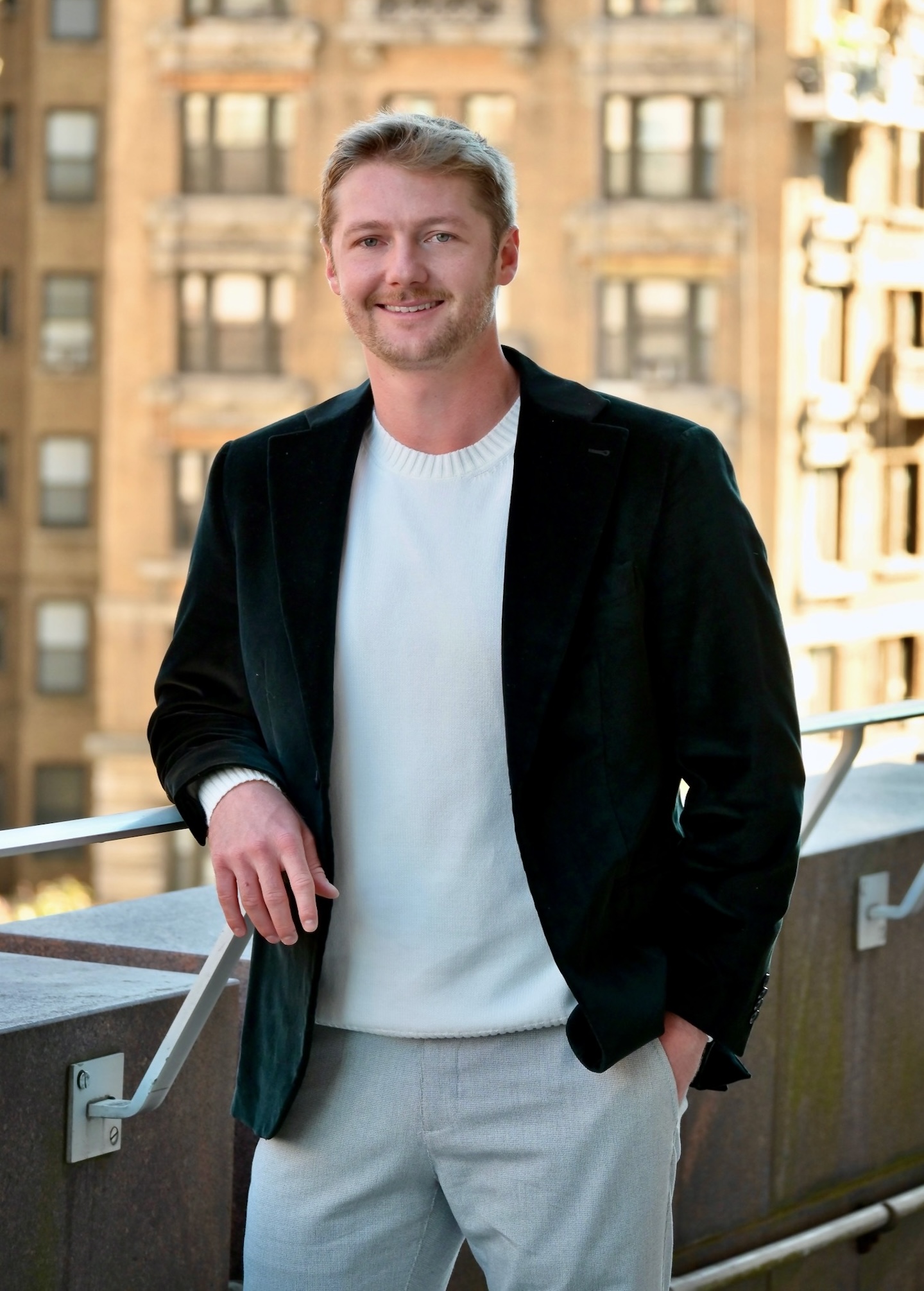

About Me
I'm a product and experimentation data scientist with 5 years of hands-on PM experience at Amazon and 2 years of academic data science research at Columbia, including a first-author publication in Scientific Data (Nature). Across both, I specialize in experimentation and user behavior. At Amazon I ran 30+ A/B tests to grow Alexa user engagement on web and smart display products. At Columbia Business School, I run field experiments and causal studies on human-AI adoption and decision-making. My passion for both science and product led me to found Product Science, LLC, where I advise consumer tech startups on product strategy, experimentation, and analytics, and I still build products myself. Next, I am seeking a product data science role where rigorous user research and experimental evidence improve the customer experience and drive retention and growth.
Selected Work

Columbia Business School
Using experimental and causal inference methods to study human-AI collaboration with faculty in the Decision, Risk & Operations division (DRO) at Columbia Business School. Current work includes an online lab experiment (oTree, Prolific) studying how developers make AI-code adoption decisions, a difference-in-differences analysis of how AI is changing experimentation practices across 2,000+ firms, and a systematic review of AI-enabled health and education RCTs.

Amazon Alexa+ Smart Display Experiences
Improved device engagement and customer satisfaction with Alexa's smart display devices through experimentation and mixed-methods user research. Launched, measured, and improved the multimodal screen experiences for Alexa+.
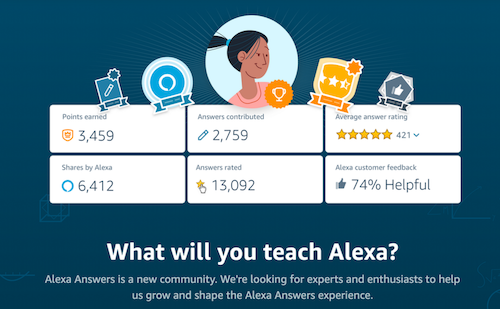
Amazon AlexaAnswers.com
Led 8x growth in monthly active users through product experiments and marketing expansion for the Alexa Answers website. Read more here.
Product Science, LLC
Founded Product Science Consulting to help early-stage startups get from insights through measurable impact. Partnered with the founder of an interior design technology company to improve product strategy, setup analytics infrastructure end to end, and deploy customer-facing AI features. Running DesignMyExperiment.com to provide free help with experiment design, including curated libraries of real product A/B tests and methodology reviews.
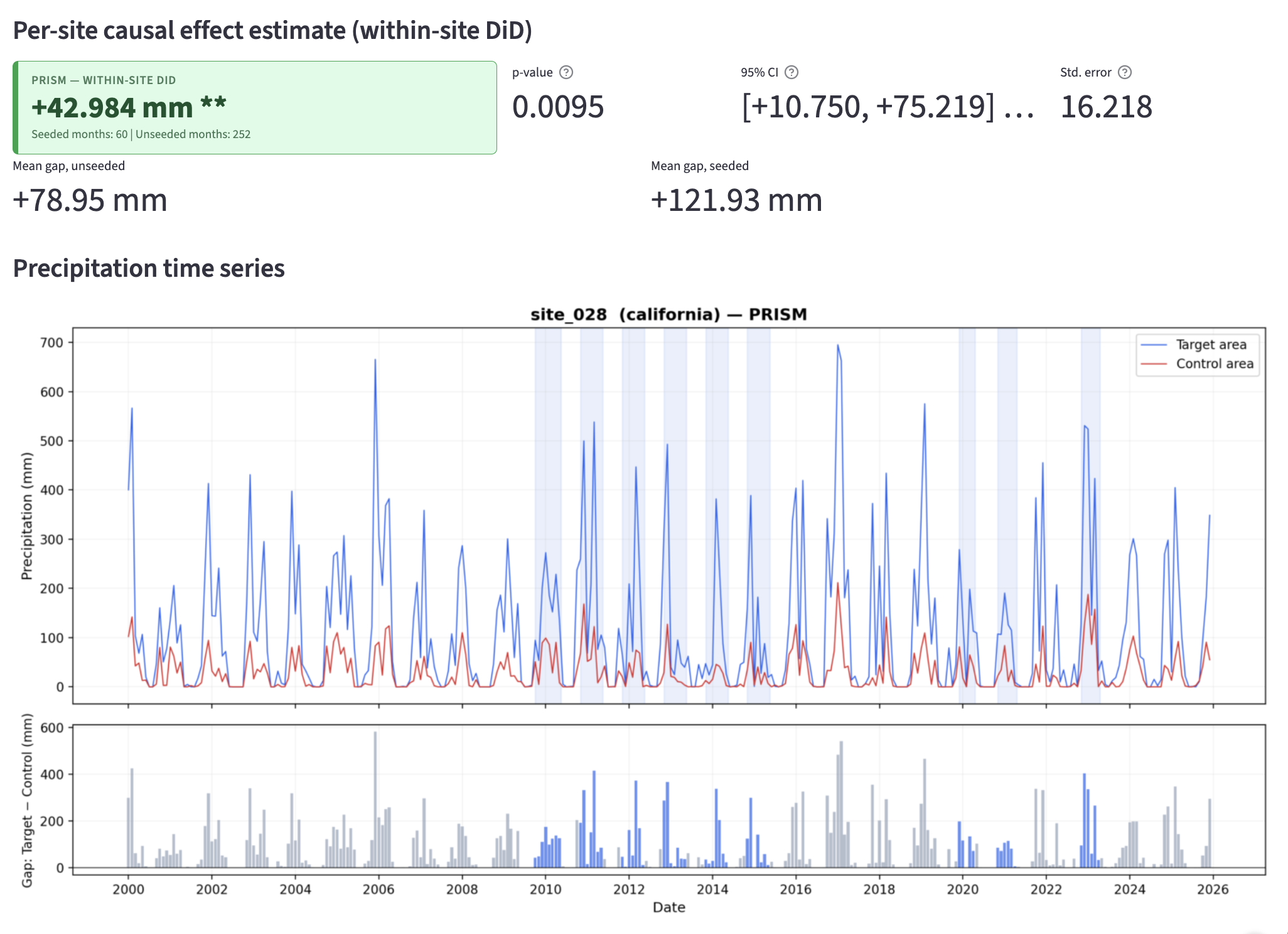
Research Publication: Extracted Environmental Dataset and Causal Analysis
First author of Structured dataset of reported cloud seeding activities in the United States (2000–2025) using an LLM, published in Scientific Data (Nature Portfolio). Built a PDF extraction pipeline with OpenAI integration to process 800+ scanned NOAA cloud seeding reports into a structured dataset, helping address the gap in cloud seeding data. Now conducting a within-site difference-in-differences analysis to estimate the causal effect of historical cloud seeding operations on precipitation: Difference-in-Differences Explorer. Presented the methods behind this work and broader topic of "Using LLMs for Science" in a guest lecture at the CUNY Graduate Center for 15 PhD and master's students: Guest Lecture: Using LLMs for Science (PDF).
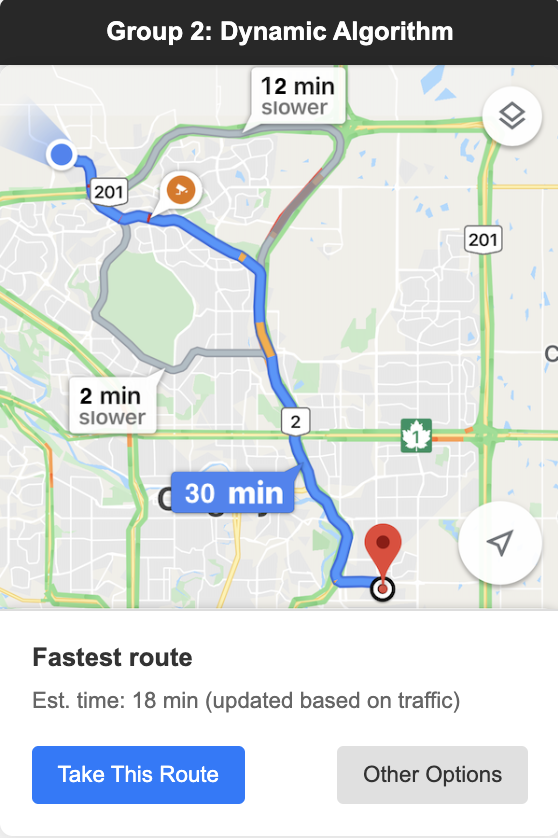
Behavioral Economics Research Proposal: Strategic Route Choice in Navigation Apps
Behavioral economics research proposal testing for Level-K thinking in how drivers choose routes when navigation apps recommend paths that depend on other users' behavior: PDF.
Education